
CBD and driving in Switzerland: 5 tips on drug tests, the law and safety at the wheel
CBD and driving in Switzerland – are you still allowed at the wheel after taking CBD oil? Thousands of Swiss people ask themselves this question every day. The answer is more complex than many think. In this guide we explain the legal basics, what police tests really measure and how you handle CBD and the car safely.
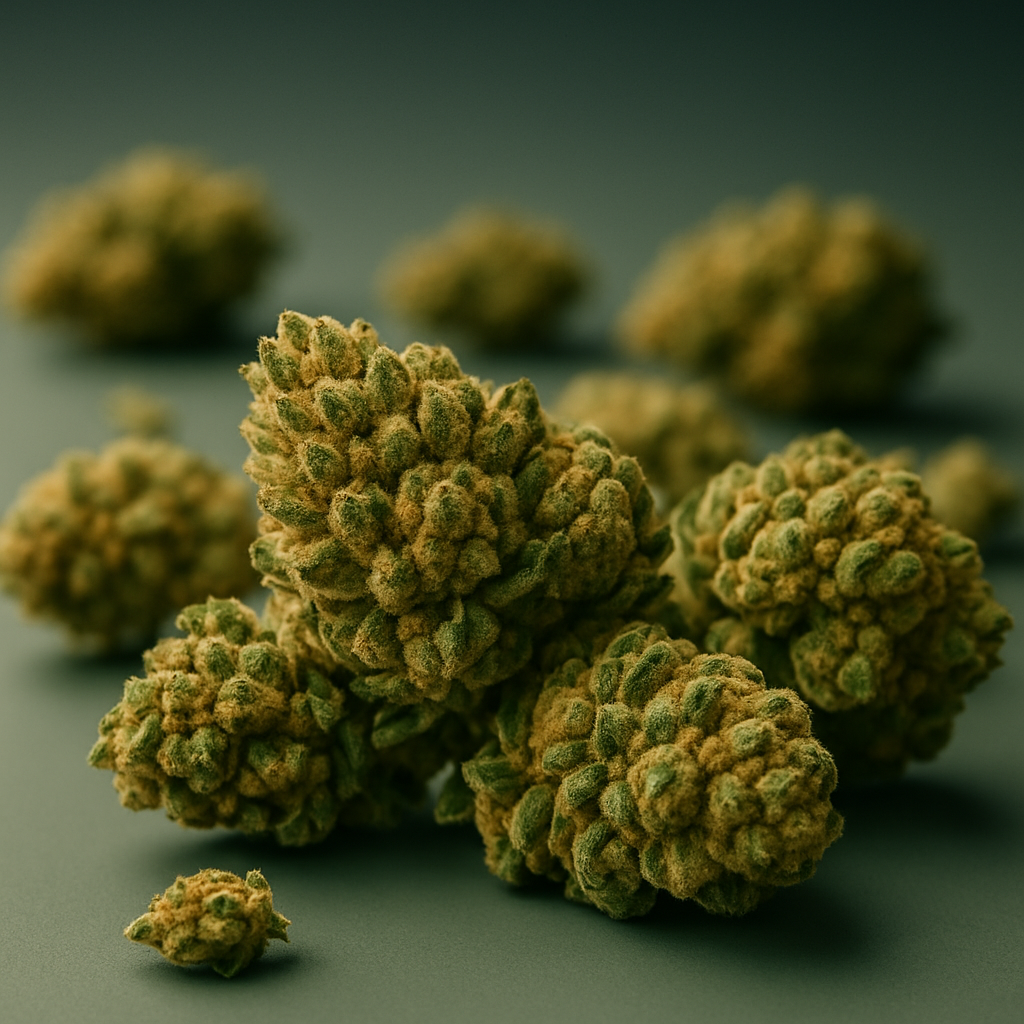
CBD and driving in Switzerland: the legal situation
In Switzerland a strict zero-tolerance principle applies to THC in road traffic. That is relevant because legal CBD products may contain up to 1 % THC. Even small amounts can theoretically lead to positive tests with frequent consumption. The question of CBD and driving in Switzerland is therefore not a question of the legality of CBD, but a question of the THC content.
CBD and driving in Switzerland: what does the police check?
During a traffic check, saliva tests are mostly used, which detect THC from a threshold of 25 µg/L. A positive preliminary test is followed by a blood test. In the blood an inability to drive is assumed from 1,5 µg/L THC – a value that could theoretically also be reached through high consumption of CBD with 1 % THC products.
CBD and driving in Switzerland: assessing the risk
With moderate use (e.g. 10–20 mg of CBD from a 5 % full spectrum oil) the risk is very low, because the amount of THC taken in is minimal. With a high-dose, regular intake or with the consumption of CBD flowers, THC can accumulate in the body. Anyone who wants to be completely sure while driving reaches for THC-free broad spectrum or isolate products.
CBD and driving in Switzerland: 5 safety tips
1. Use THC-free broad spectrum products or pure isolate
2. Always keep the packaging with the laboratory analysis
3. For professional drivers: only THC-free products
4. Do not go to the wheel directly after taking it (wait at least 4–6 hrs)
5. During a police check: cooperate calmly and show the documents
CBD and driving in Switzerland: during a police check
Should you end up in a drug test, transparency is important: explain that you use legal CBD and show – if possible – the product with its laboratory analysis. A positive saliva sample does not automatically lead to consequences; only the blood test does. With Swiss CBD products under 1 % THC and moderate use, the probability of a positive blood test is low – but not zero.
Which CBD products are safe for driving?
Anyone who wants to be on the safe side chooses:
– broad spectrum oil (THC removed)
– CBD isolate (99,9 % pure CBD)
– products with a laboratory analysis of „non-detect“ for THC
Have a look at our selection in the CBD Shop Switzerland or compare in the CBD comparison which kind of product suits your lifestyle.
FAQ on CBD and driving in Switzerland
How long after taking CBD should you not drive?
With full spectrum products containing THC it is best to wait 4–6 hours. With isolate or broad spectrum this waiting time does not apply.
Can CBD show up positive in a drug test?
Pure CBD does not. But full spectrum oils with up to 1 % THC can lead to positive tests with intensive consumption.
What to do during a police check?
Stay calm, cooperate, show the product packaging with the laboratory analysis if possible.
Further information
You will find current information at the FOPH, at the Federal Roads Office (ASTRA) and on Wikipedia.
A police check – how do you behave correctly?
If you are checked in road traffic, stay calm and cooperative. On request you must show your driving licence, vehicle registration document and identity card. If drug consumption is suspected, the police can order a saliva test. You have the right to demand a blood examination – this is the only legally binding method for establishing the actual impairment. A positive saliva test alone does not yet mean a penalty.
The THC limit and residual traces
The legal limit for THC in the blood is 1,5 micrograms per litre in Switzerland. Even with the consumption of legal hemp products under one percent THC, residual traces can be detected in the blood if you have consumed a high dose over several weeks. Before long car journeys or professional checks, a two- to three-day break in consumption is therefore advisable.
Insurance questions after an accident
If a raised THC value is established after an accident, the insurer can make recourse claims – even if you were not noticeably impaired. In the worst case it refuses to pay altogether. Anyone who consumes regularly should inform the insurer transparently in the event of a claim or obtain written information in advance.
Frequently asked questions
May I drive a car after consuming CBD?
In principle yes, as CBD does not work psychoactively. During a police check, however, residual THC can be detectable in the blood. A break in consumption before long journeys is advisable.
How long is THC detectable after consuming CBD?
With legal full spectrum products under 1% THC, residual traces can be detectable for up to 72 hours in the blood and longer in the urine. With chronic consumption, weeks as well.
What to do during a police check after consuming CBD?
Stay calm and cooperative, but demand the possibility of a blood examination, as only that measures the actual THC value. Saliva tests are less reliable.
Further articles on the subject of CBD and driving in Switzerland
Deepen your knowledge with these related posts from our CBD magazine:
Straight to the shop:
In short: CBD and driving in Switzerland
CBD and driving in Switzerland: with moderate use and ideally THC-free products you are on the safe side. Anyone who regularly consumes a lot of full spectrum oil should be careful. At HempJoy you will find both classic full spectrum oils and THC-free alternatives for maximum safety at the wheel.
Important: our product information describes the ingredients only and is not a promise of any medical benefit. CBD products are not medicines and are no substitute for medical advice. If you have health concerns, please speak to your doctor.